Click to navigate: Protected Species | Endangered Species | Endemic Species
There are very few publicly available lists of Protected Species in Raja Ampat and Indonesia. The below list has been compiled by The SEA People to the best of our knowledge and is based on the laws outlined in the legal base below. This page will be updated whenever new information or law comes to our attention.
The Protected Species indicated are listed as Protected under the law of Raja Ampat Regency and/or The Republic of Indonesia.
Endangered Species indicated are listed in accordance with their IUCN Endangerment status.
This list includes species currently known to be present in Raja Ampat at time of writing. There may be additional Protected or Endangered species that are not yet documented in the region.
For a full list of all species protected please refer to the “Legal Base” option in the table below.
PLEASE NOTE:
- Any and all persons are prohibited to catch, injure, kill, keep, posses, care for, transport and trade in a protected animal species in a live condition.
- Any and all persons are prohibited to keep, posses, care for, transport and trade in a protected animal species in dead condition.
- Transfer a protected animal species from one place to another, within or outside Indonesia
- Trade, keep or posses skin, bodies or other parts of a protected animal, or goods made of parts of the animal, or transfer from one place in Indonesia to another, within or outside Indonesia.
- Take, destroy, exterminate, trade, keep, or posses eggs and/or a nest of a protected animal.
Violations related to Protected Species are considered to be criminal acts.
Protected Species
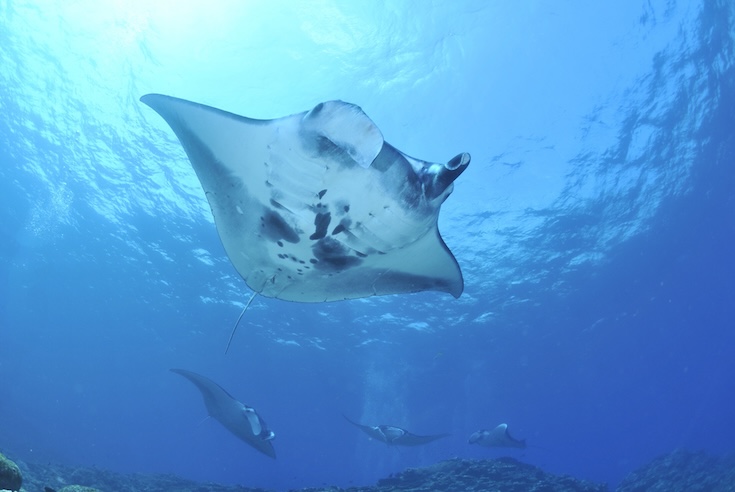
MANTA RAYS
Both species of manta ray are protected within Indonesia:
Giant Oceanic Manta (Mobular birostris)
Reef Manta (Mobular alfredi)
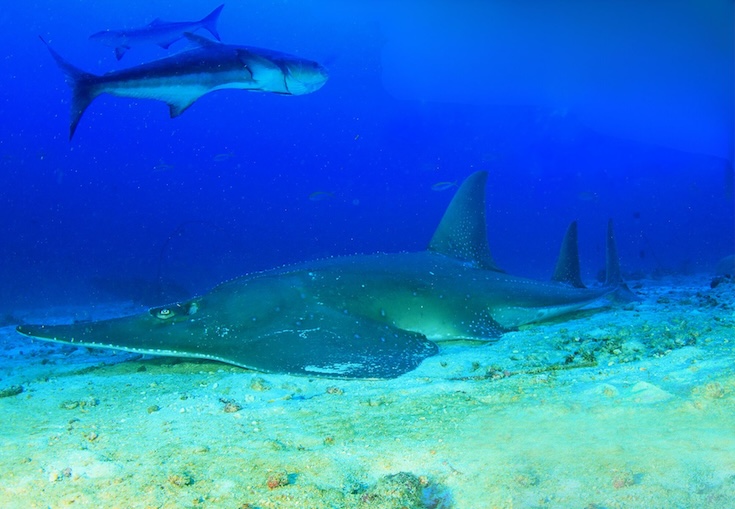
SHARKS & OTHER RAYS
Raja Ampat Regency is a Shark Sanctuary, and all sharks are protected within its waters (all species within Class Chondrichthyes, Subclass Elasmobranchii and Subdivision Selachii).
The capture, kill, injury, trade or possession of any shark species, or parts of shark species (ie: sharkfin) is illegal within Raja Ampat waters.
The Sanctuary also offers protection to a number ecologically and economically important ocean species including all species within the Pristidae, Rhinidae, Rhinobatidae, Myliob atidae and Mobulidae Families.
This includes (but is not limited to) sawfish, guitarfish, wedgefish, shovelnose rays, mobular rays, cownose rays, devil rays, eagle rays, bull nose, mobular, bull ray, and marble ray.
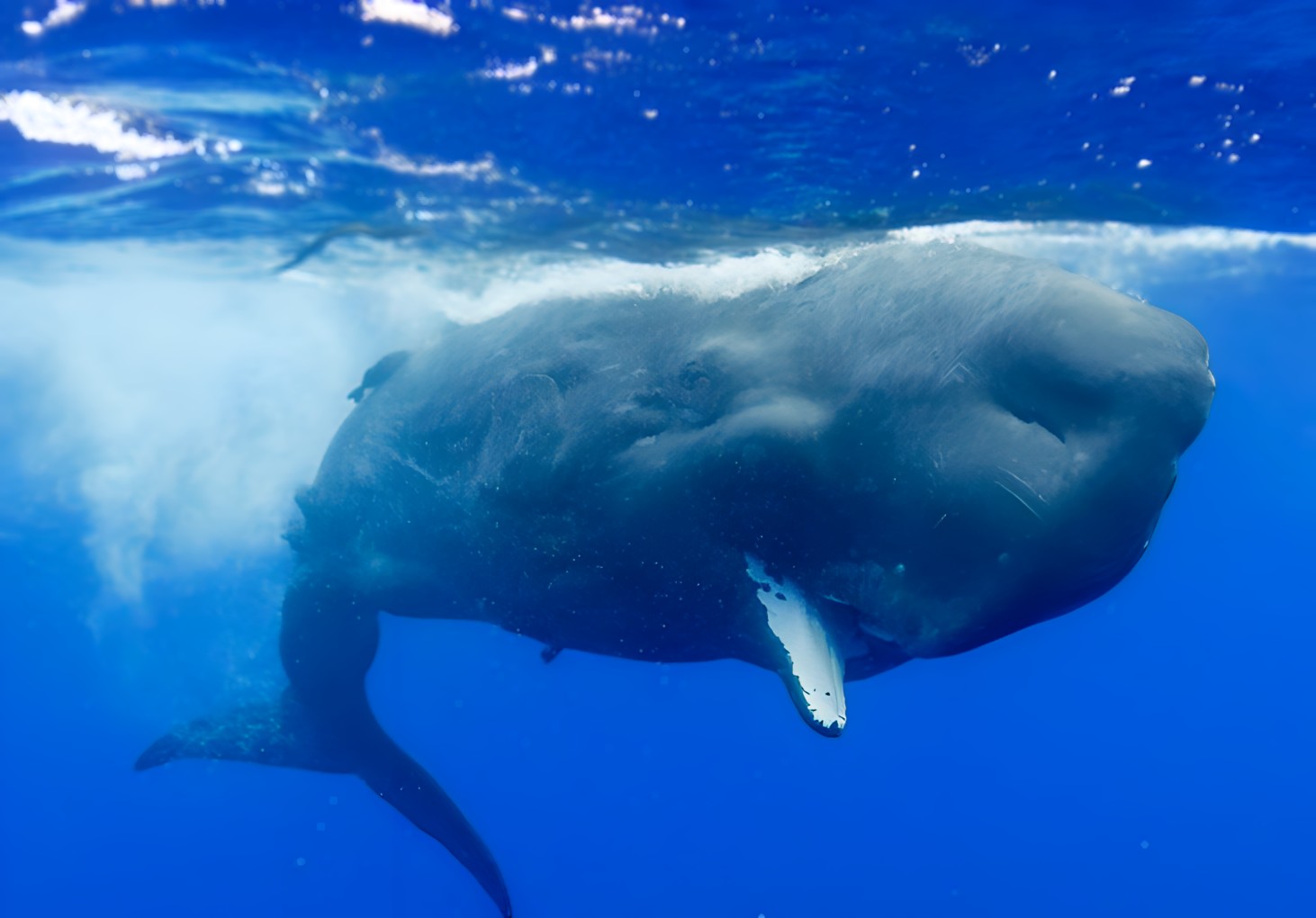
MARINE MAMMALS
All species of marine mammals, including all species of whale, dolphin and dugong are protected within Raja Ampat Regency.
There are currently 18 known species of mammal present in Raja Ampat’s waters.
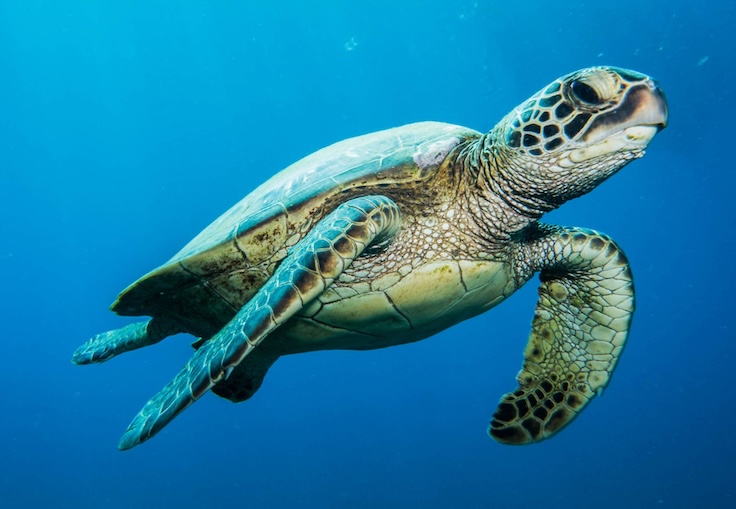
SEA TURTLES
The following species of sea turtle are protected within Raja Ampat and Indonesia.
Green Turtle (Chelonia mydas)
Leatherback Turtle (Dermochelys coriacea)
Hawksbill Turtle (Eretmochelys imbricata)
Olive Ridley Turtle (Lepidochelys olivacea)
Loggerhead turtle (Caretta caretta)
Flatback Turtle (Natator depressus)
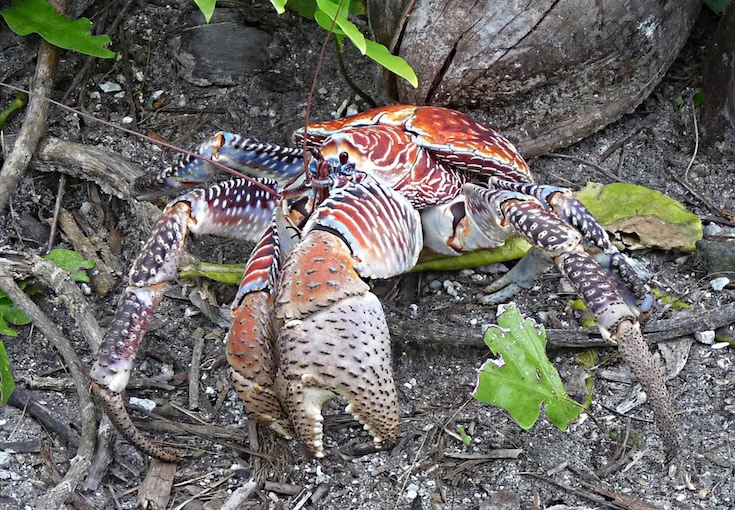
INVERTEBRATES
The following species are protected within Raja Ampat and Indonesia:
Coconut Crabs (Birgus latro)
Triton Trumpet (Charonia tritonis)
Nautilus shell / Hollow Nautilus (Nautilus Pompillius)
Crocus clam, boring clam, crocea clam or saffron-coloured clam (Tridacna crocea)
Giant Clam (Tridacna gigas, Tridacna hurt, Tridacna maxima)
Fluted Giant Clam (Tridacna squamosal)
Sea Snail (Trochus niloticus)
Green turban, the marbled turban or great green turban snail (Turbo marmoratus)
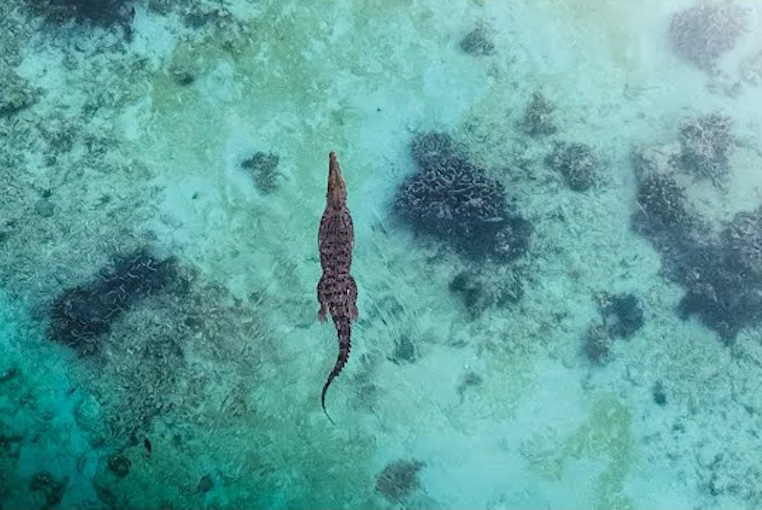
SALTWATER CROCODILES
Saltwater Crocodiles (Crocodylus porosus) are protected within Raja Ampat and Indonesia.
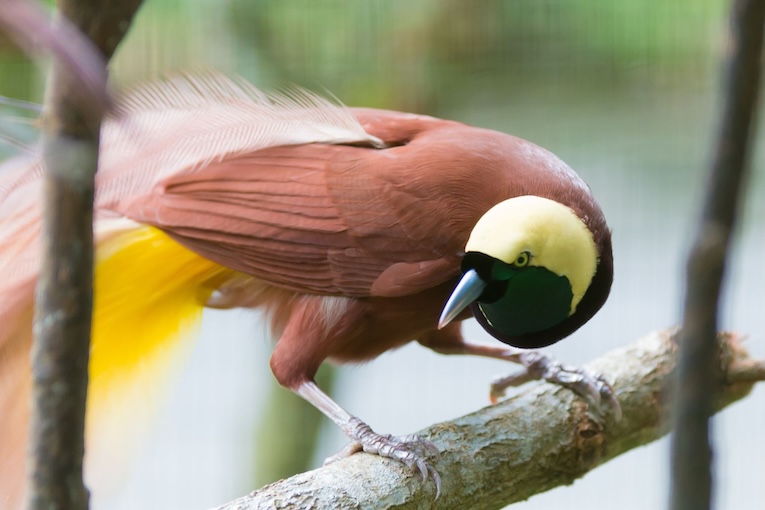
BIRDS
All species of Bird of Paradise (family Paradisaeidae of the order Passeriformes) are protected.
Other protected species include:
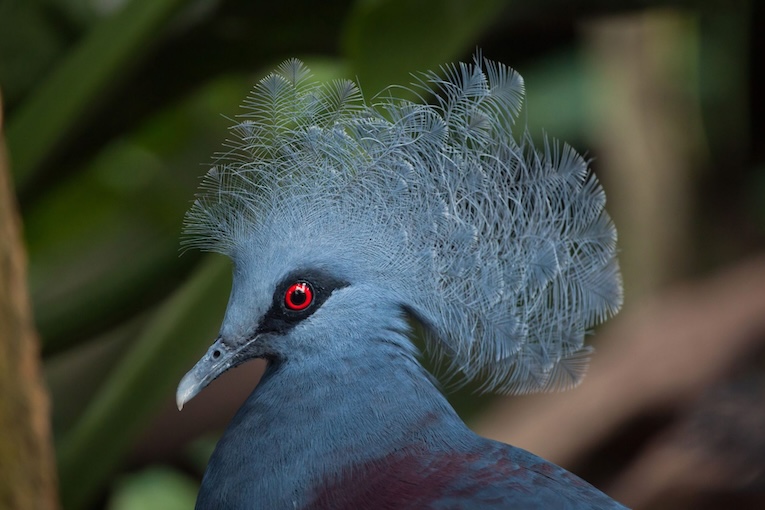
Western Crowned Pigeon (Goura cristata)
Palm Cockatoo (Probosciger aterrimus) Eclectus Parrot (Eclectus roratus)
Sulphur-crested Cockatoo (Cacatua galerita)
Moluccan King Parrot (Alisterus amboinensis) Rainbow Lorikeet (Trichoglossus haematodus)
FISH
The following species are protected:
Coealocanth (Latimeria chalumnae)
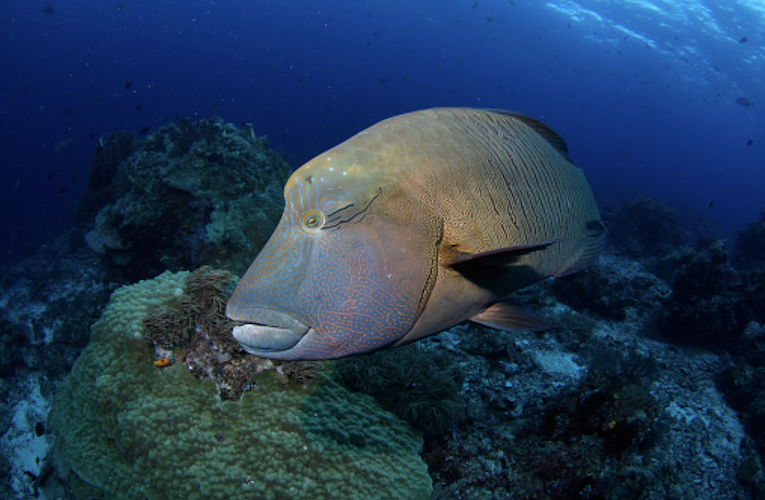
Napoleon fish (Cheilinus undulatus) measuring from 100 (one hundred) grams to 1000 (one thousand) grams; and over 3000 (three thousand) grams.
Any and all fish captured and used for ornamental purposes
Cover Photo Credit: Fishing Mania
Endangered Species – IUCN Red List Status
MANTA RAYS
Giant Oceanic Manta (Mobular birostris): Endangered
Reef Manta (Mobular alfredi): Vulnerable
The primary threats to manta rays include bycatch in commercial fisheries, targeted fishing for their gill plates (used in traditional medicine), habitat degradation, and the effects of climate change. These threats, combined with their slow reproductive rates, make it difficult for populations to recover.
SEA TURTLES
Green Sea Turtle (Chelonia mydas): Endangered
Hawksbill Sea Turtle (Eretmochelys imbricata): Critically Endangered
Leatherback Sea Turtle (Dermochelys coriacea): Vulnerable
Olive Ridley Sea Turtle (Lepidochelys olivacea): Vulnerable
Loggerhead Sea Turtle (Caretta caretta): Vulnerable
Flatback Sea Turtle (Natator depressus): Data Deficient
All species are threatened primarily due to human activity, including habitat destruction, bycatch in fisheries, illegal trade, and climate change.
BIRDS
Wilson’s Bird-of-Paradise (Cicinnurus respublica): Near Threatened. Threats: Habitat loss due to logging and land conversion.
Red Bird-of-Paradise (Paradisaea rubra): Near Threatened. Threats: Habitat loss and capture for the pet trade.
Western Crowned Pigeon (Goura cristata): Vulnerable. Threats: Habitat loss and hunting for feathers.
MARINE MAMMALS
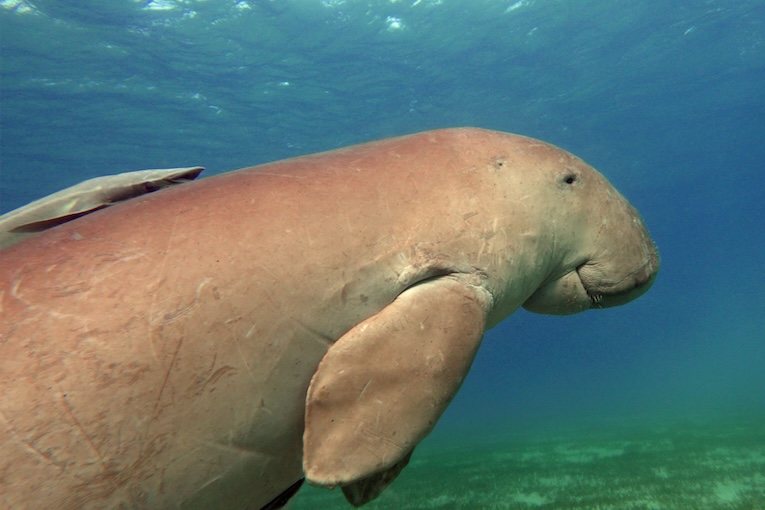
Dugong (Dugong dugon)
Status: Vulnerable
Threats: Habitat loss (especially seagrass beds), hunting, and bycatch in fisheries.
Orca (Orcinus orca)
Status: Data Deficient (though some populations are considered at risk)
Threats: Bycatch, pollution, and habitat degradation.
Sperm Whale (Physeter macrocephalus)
Status: Vulnerable
Threats: Whaling (historically), ship collisions, and entanglement in fishing gear.
Blue Whale (Balaenoptera musculus)
Status: Endangered
Threats: Ship strikes, entanglement in fishing gear, and climate change affecting food sources.
Fin Whale (Balaenoptera physalus)
tatus: Vulnerable
Threats: Ship strikes, entanglement, and whaling (historically).
Other Marine Mammals of Concern:
Bryde’s Whale (Balaenoptera brydei) – Listed as Least Concern, but still vulnerable to bycatch, ship strikes, and environmental changes.
Various Dolphin Species (e.g., Indo-Pacific Bottlenose Dolphin) – Generally listed as Least Concern, but some populations face localized threats from fishing and pollution.
Conservation Threats:
- Bycatch in Fisheries: Accidental capture in fishing nets poses a significant threat to many marine mammals.
- Habitat Loss: Coastal development and degradation of marine habitats, particularly seagrass beds and coral reefs, impact species like the dugong.
- Pollution: Plastic waste, oil spills, and chemical pollutants can harm marine mammal populations.
- Climate Change: Changing ocean temperatures and acidification affect food availability and migration patterns.
COCONUT CRABS & GIANT CLAMS
Coconut Crab (Birgus latro)
Status: Vulnerable
Threats: Overharvesting for food and habitat loss, particularly on small islands.
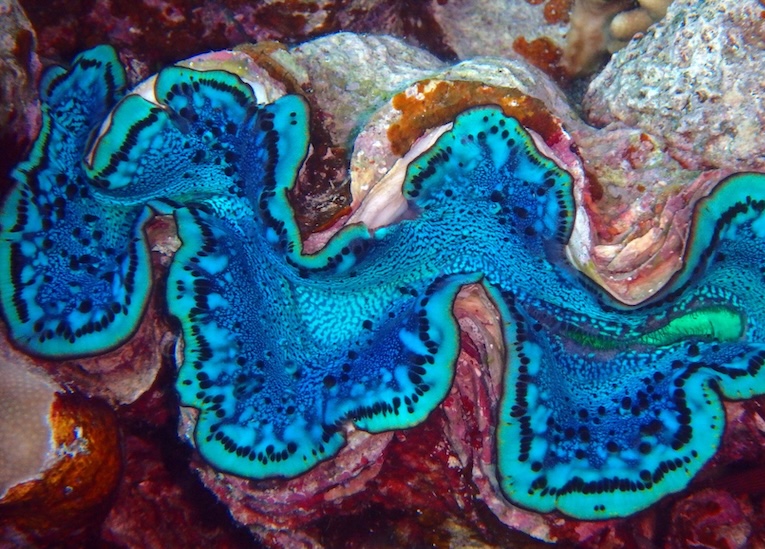
Giant Clam Species (Tridacna spp.)
Status: Vulnerable (varies by species)
Threats: Overharvesting for food, the aquarium trade, and loss of coral reef habitat.
Species Present: Tridacna gigas (giant clam), Tridacna crocea (boring clam), Tridacna maxima (small giant clam).
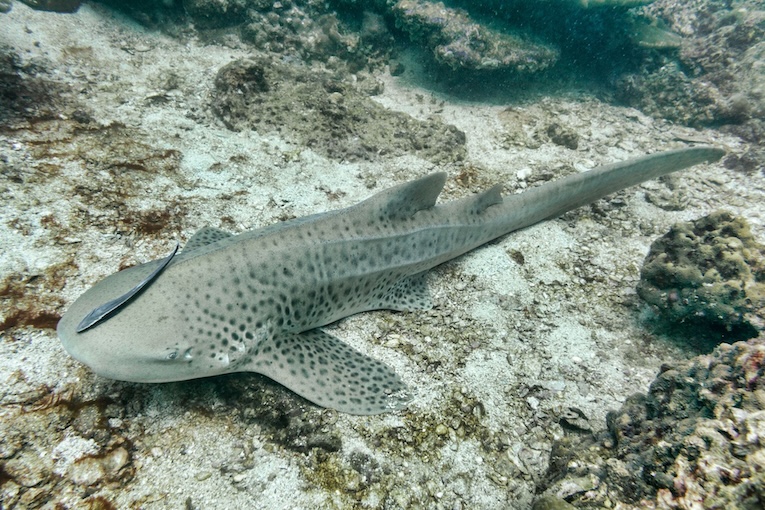
ZEBRA SHARK
Zebra Shark (Stegostoma tigrinum)
Status: Endangered
Threats: Overfishing during the 1990s and early 2000s decimated populations.
HUMPHEAD (NAPOLEON) WRASSE
Humphead Wrasse (Cheilinus undulatus)
Status: Endangered
Threats: Slow reproduction rates and heavy targeting by the live fish trade, along with habitat loss, have put this iconic species at significant risk
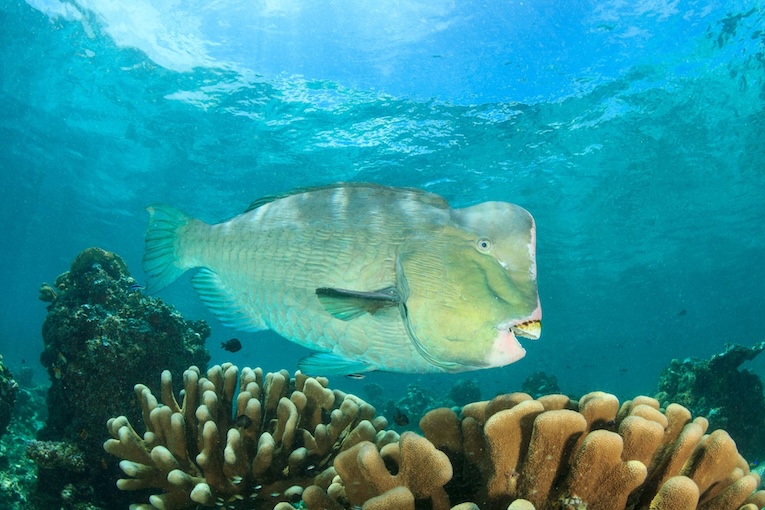
GREEN BUMPHEAD PARROTFISH
Green Bumphead Parrotfish (Bolbometopon muricatum)
Status: Vulnerable
Threats: Overfishing and habitat loss are the primary threats to this important reef species
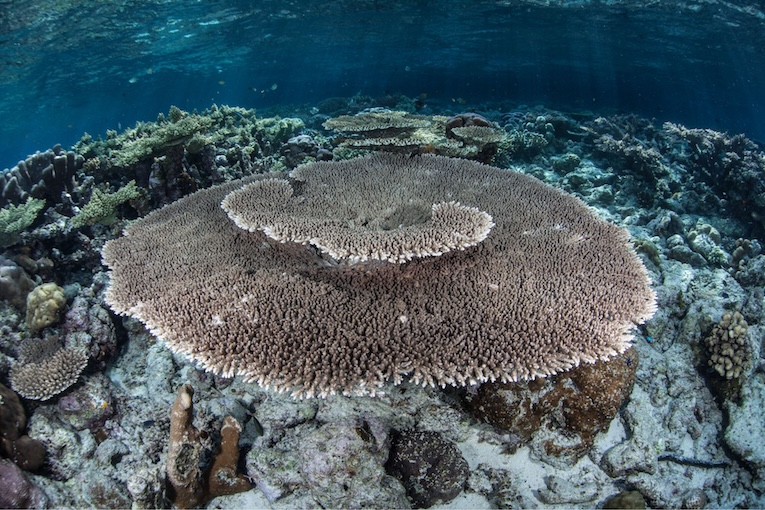
CORAL (sp)
Status: Many coral species are classified as Vulnerable or Endangered by the IUCN, particularly those affected by coral bleaching and ocean acidification.
Examples:
Acropora spp. (staghorn corals) – Vulnerable or Endangered depending on the species.
Porites spp. (massive corals) – Generally Least Concern but still at risk from climate change and local threats.
Threats: Coral bleaching due to rising sea temperatures, destructive fishing practices (such as dynamite fishing), and pollution.
Endemic Species
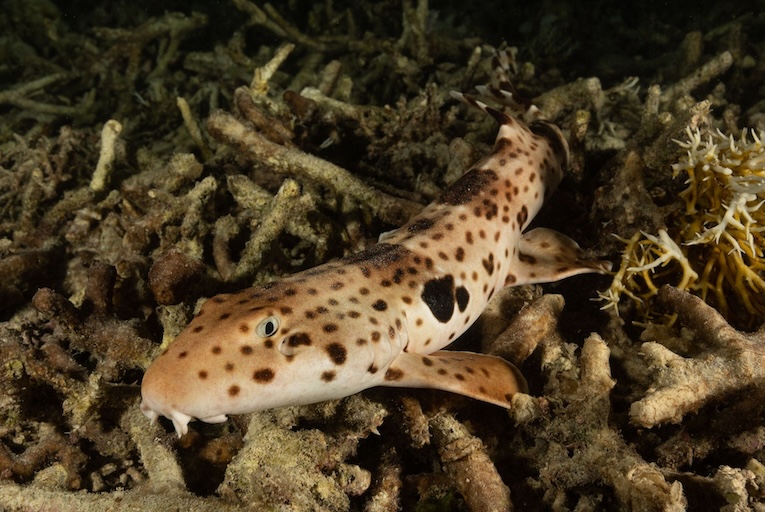
RAJA AMPAT EPAULETTE ('Walking') SHARK
Raja Ampat Epaulette Shark (Hemiscyllium freycineti)
Known for “walking” on its fins across the seafloor, this small shark is unique to Raja Ampat
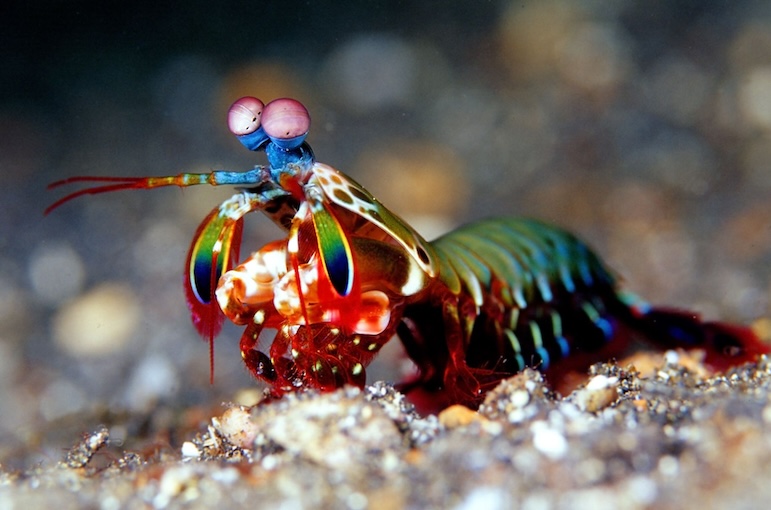
8 ENDEMIC SPECIES MANTIS SHRIMP
57 different mantis shrimps can be found in Raja Ampat, accounting for 1/8 of all mantis shrimps worldwide. 8 species are endemic to the region.
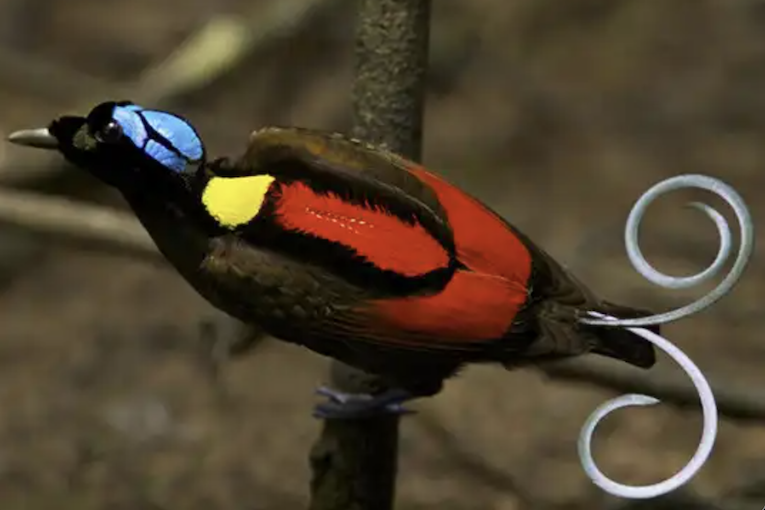
WILSON'S BIRD OF PARADISE
Wilson’s Bird of Paradise (Cicinnurus respublica)
This strikingly colorful bird is found only on the islands of Waigeo and Batanta.
RED BIRD OF PARADISE
Red Bird of Paradise (Paradisaea rubra)
Endemic to the islands of Waigeo, Gam, and Batanta, this bird is famous for its elaborate mating dance
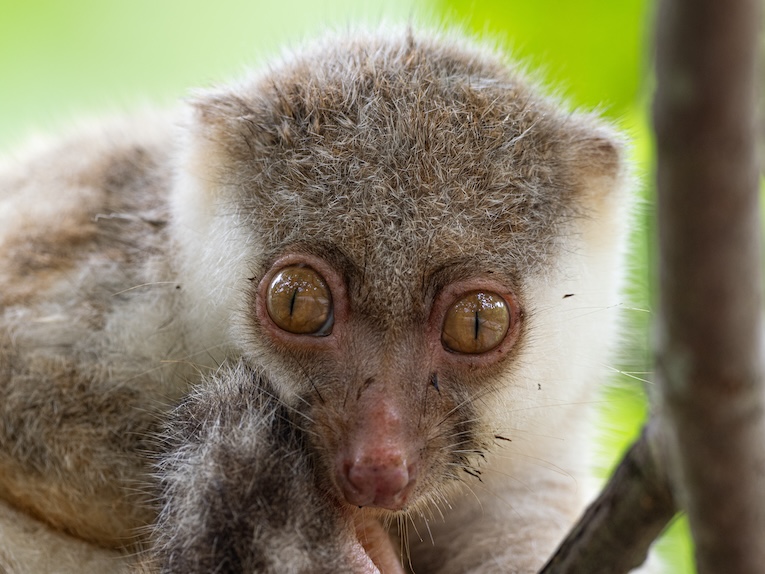
WAIGEO CUSCUS
Waigeo Cuscus (Spilocuscus papuensis)
A rare marsupial found in the forests of Waigeo and surrounding islands.
100% of your donation goes to
the field.
Donateur français Cliquez ici
If left unchecked, 90% of coral reefs will be threatened by 2030, with almost all reefs facing, high, very high, or critical threat levels by 2050.
If we don’t act now, future generations will not have the privilege of seeing a live coral reef, let alone receive the benefits that coral reefs provide, including food, coastal protection, livelihoods and medicine.
In Raja Ampat, Indonesia, the most biodiverse coral reefs on Earth are under threat; rapid and unsustainable development combined with climate change threaten the future of these reefs, along with the food security, heritage and livelihoods of many.
Your contribution today has a direct impact in enabling our team to work with local people to Restore, Protect and Conserve reefs in the world’s last remaining coral stronghold.
We cannot do it alone, but with your contribution we can do it together.
100% of your donation goes to
the field.
Donateur français Cliquez ici
If left unchecked, 90% of coral reefs will be threatened by 2030, with almost all reefs facing, high, very high, or critical threat levels by 2050.
If we don’t act now, future generations will not have the privilege of seeing a live coral reef, let alone receive the benefits that coral reefs provide, including food, coastal protection, livelihoods and medicine.
In Raja Ampat, Indonesia, the most biodiverse coral reefs on Earth are under threat; rapid and unsustainable development combined with climate change threaten the future of these reefs, along with the food security, heritage and livelihoods of many.
Your contribution today has a direct impact in enabling our team to work with local people to Restore, Protect and Conserve reefs in the world’s last remaining coral stronghold.
We cannot do it alone, but with your contribution we can do it together.
Copyright © The SEA People 2016-2026. All rights reserved. This website is copyright monitored and protected.
Yayasan Orang Laut Papua is a registered NGO under the Ministry of Law and Human Rights Republic of Indonesia. Number AHU-0016408. Year 2019. The SEA People is a registered Charitable Association under the Gouvernement de la République in France (Numero Identification Siren 853074300) and serves as an administrative and fundrasing base for supporting the fieldwork of Yaysan Orang Laut Papua. Privacy Policy Terms & Conditions