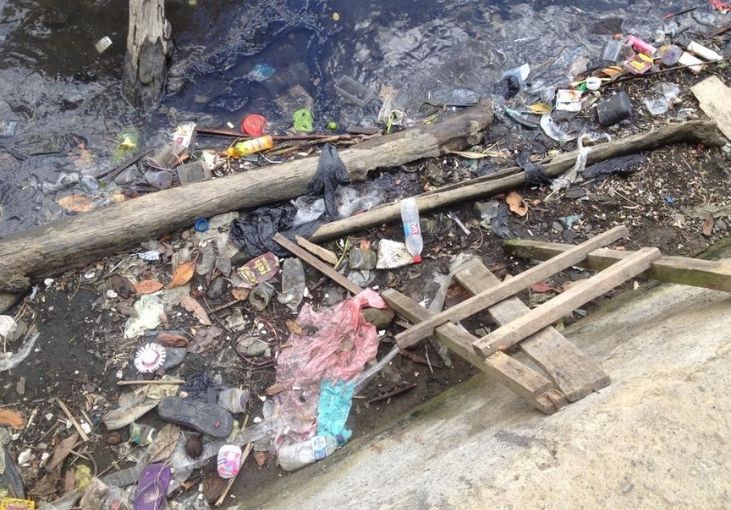
Pollution poses one of the most severe threats to coral reefs, significantly affecting their health and growth. Harmful substances such as plastic waste, chemical runoff, and marine debris are introduced into the ocean through human activities like agriculture, industry, and coastal development. These pollutants disrupt the delicate balance of reef ecosystems, stifling coral growth, and creating conditions that promote diseases and algal overgrowth.
Types of Pollution Impacting Reefs:
Plastic Waste
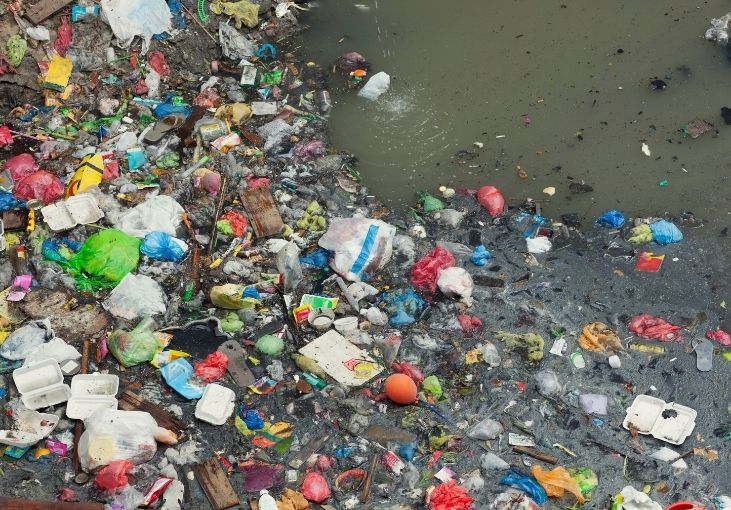
Marine debris, including plastics, can block sunlight and damage coral structures, causing physical harm to reefs. Over time, microplastics accumulate, interfering with the photosynthesis process that corals rely on to survive. Additionally, plastic debris may carry toxic chemicals, further weakening coral health.
Chemical Runoff
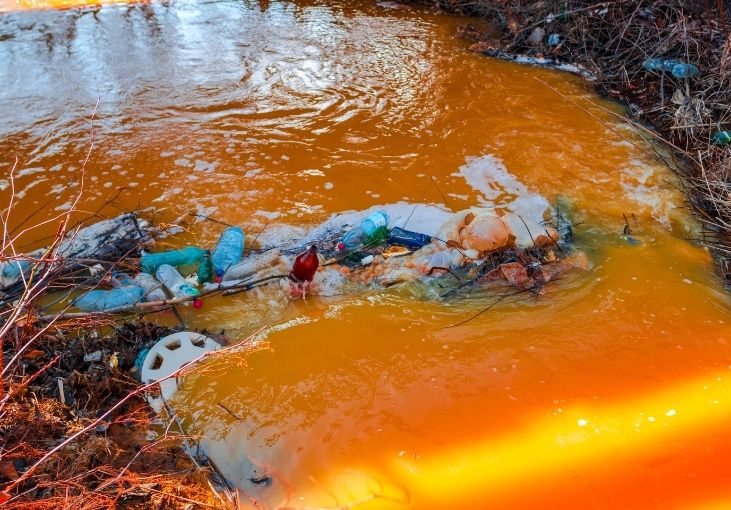
Fertilisers, pesticides, and industrial waste from land-based activities often find their way into the ocean. These pollutants promote algal blooms, which can smother coral reefs, reducing the oxygen available to marine life. Pesticides and other chemicals weaken coral immune systems, making them more susceptible to bleaching and disease.
Oil Spills and Heavy Metals:
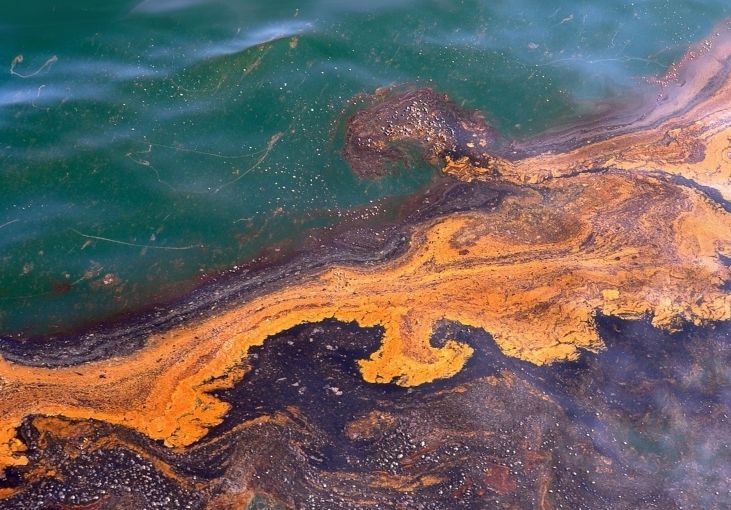
Contaminants such as oil and heavy metals from industrial activities can settle on coral reefs, poisoning marine organisms, reducing coral reproduction rates, and altering reef ecosystems. These toxic substances can persist in the environment for long periods, making it difficult for reefs to recover from damage.
How Can We Reduce Pollutions’ Impact?
Reducing the impact of pollution on coral reefs requires both individual and collective action. Here’s how we can make a difference:
– Reduce plastic use: Opt for reusable items like water bottles and shopping bags, and avoid products with excessive plastic packaging. Properly dispose of plastic waste to prevent it from entering the ocean.
– Improve waste management: Governments and organisations should implement effective waste management systems to reduce marine debris and prevent harmful runoff from reaching the ocean.
– Promote sustainable agriculture: Encouraging farmers to use eco-friendly fertilisers and pesticides reduces the amount of harmful chemicals that enter waterways and oceans.
– Engage in global initiatives: Supporting and participating in local and international efforts to combat marine pollution can drive policy change and protect vulnerable ecosystems. By advocating for cleaner oceans and stricter regulations on pollution, we can collectively reduce the harm inflicted on coral reefs.
Pollution, if left unchecked, will continue to degrade coral ecosystems, threatening the biodiversity they support. However, with concerted efforts to limit pollutants and restore coral health, there is hope for the preservation of these vital ecosystems for future generations.
To learn more about the threats facing coral reefs and the actions we can take to mitigate pollution’s impact, visit our Reefs at Risk page. Together, we can protect these delicate ecosystems and ensure they continue to thrive for generations to come.
Pollution, if left unchecked, will continue to degrade coral ecosystems, threatening the biodiversity they support. However, with concerted efforts to limit pollutants and restore coral health, there is hope for the preservation of these vital ecosystems for future generations.
To learn more about the threats facing coral reefs and the actions we can take to mitigate pollution’s impact, visit our Reefs at Risk page. Together, we can protect these delicate ecosystems and ensure they continue to thrive for generations to come.
Pollution, if left unchecked, will continue to degrade coral ecosystems, threatening the biodiversity they support. However, with concerted efforts to limit pollutants and restore coral health, there is hope for the preservation of these vital ecosystems for future generations.
To learn more about the threats facing coral reefs and the actions we can take to mitigate pollution’s impact, visit our Reefs at Risk page. Together, we can protect these delicate ecosystems and ensure they continue to thrive for generations to come.
100% of your donation goes to
the field.
If left unchecked, 90% of coral reefs will be threatened by 2030, with almost all reefs facing, high, very high, or critical threat levels by 2050.
If we don’t act now, future generations will not have the privilege of seeing a live coral reef, let alone receive the benefits that coral reefs provide, including food, coastal protection, livelihoods and medicine.
In Raja Ampat, Indonesia, the most biodiverse coral reefs on Earth are under threat; rapid and unsustainable development combined with climate change threaten the future of these reefs, along with the food security, heritage and livelihoods of many.
Your contribution today has a direct impact in enabling our team to work with local people to Restore, Protect and Conserve reefs in the world’s last remaining coral stronghold.
We cannot do it alone, but with your contribution we can do it together.
100% of your donation goes to
the field.
If left unchecked, 90% of coral reefs will be threatened by 2030, with almost all reefs facing, high, very high, or critical threat levels by 2050.
If we don’t act now, future generations will not have the privilege of seeing a live coral reef, let alone receive the benefits that coral reefs provide, including food, coastal protection, livelihoods and medicine.
In Raja Ampat, Indonesia, the most biodiverse coral reefs on Earth are under threat; rapid and unsustainable development combined with climate change threaten the future of these reefs, along with the food security, heritage and livelihoods of many.
Your contribution today has a direct impact in enabling our team to work with local people to Restore, Protect and Conserve reefs in the world’s last remaining coral stronghold.
We cannot do it alone, but with your contribution we can do it together.
Copyright © The SEA People 2016-2026. All rights reserved. This website is copyright monitored and protected.
Yayasan Orang Laut Papua is a registered NGO under the Ministry of Law and Human Rights Republic of Indonesia. Number AHU-0016408. Year 2019. The SEA People is a registered Charitable Association under the Gouvernement de la République in France (Numero Identification Siren 853074300) and serves as an administrative and fundrasing base for supporting the fieldwork of Yaysan Orang Laut Papua. Privacy Policy Terms & Conditions