RAJA AMPAT IS CHANGING
The Impact of DevelopmentWhilst at a glance Raja Ampat appears a tropical paradise with a thriving tourism market, significant imbalances persist. Local villages often lack basic infrastructure, including running water, reliable power, education, healthcare, and diverse livelihood opportunities.
Fifteen years ago, tourism was seen as a solution to socio-economic and environmental challenges. It offered an avenue for sustainable development, informal regulation against destructive practices, and improved livelihoods. In many cases, this vision holds true today. Tourism operators create jobs and offer stable incomes previously unattainable for many locals. In areas like the Dampier Strait, tourism has enhanced connectivity between islands and regional hubs such as Sorong and Waisai, improving access to essential services. Additionally, tourism has, in some instances, served as a platform for conservation and community initiatives, with operators and visitors supporting local projects and NGOs.
However, tourism in a developing region like Raja Ampat is a double-edged sword, bringing both opportunities and challenges. Alongside ecological impacts, its rapid growth influences the socio-cultural fabric of local communities. Daily lives and long-standing traditions face potential disruption, risking cultural dilution or erosion. While marine conservation receives much attention, sustainable tourism planning must also address cultural preservation to avoid unnecessary clashes and loss of identity.
By promoting sustainable tourism practices and culturally aware tourism behavior that respects and integrates local culture, the industry can play a pivotal role in celebrating and preserving Raja Ampat’s vibrant heritage while fostering mutual benefits for both visitors and host communities. However, cultural change is inevitable over time, and in Raja Ampat, this evolution must be guided by local people. The tourism industry, and individual tourists, must act with awareness, sensitivity, and respect for these communities. Without such considerations, rapid development could irreversibly alter or even erase the rich traditions and long-standing heritage of Raja Ampat’s people.
The following outlines key issues to consider to ensure development aligns with the preservation of the region’s cultural integrity.
Navigating Change
Socio-Cultural Impacts of Development
The socio-cultural impacts of tourism and development in remote or undeveloped regions are complex. While tourism has the potential to uplift and celebrate local culture when conducted thoughtfully, it can also challenge traditional ways of life if not carefully managed. Ideally, tourism supports and upholds local traditions, modelling operations in a mutually beneficial manner. However, when this balance is not maintained, tourism can unintentionally influence local value systems and behaviors, altering community structures, family relationships, and long-held cultural beliefs.
Raja Ampat is as culturally diverse as it is ecologically. This unique archipelago of 1,411 islands is a rich tapestry of people, traditions, and histories. For generations, local communities have coexisted with their natural surroundings, weaving ancient customs into daily life. However, rapid or mass development poses challenges to preserving this identity, potentially leading to changes in or loss of cultural values through influences such as globalization, increased external pressures, and shifts in community priorities.

WHEN GLOBAL MEETS LOCAL: CULTURAL AWARENESS AND SENSITIVITY
It’s important for all visitors to Raja Ampat to remember that when tourists visit our home regions or countries, we expect them to behave in a way that respects our culture and causes no offense. Similarly, when we are tourists, it is our responsibility—and that of our chosen operator—to be culturally aware of the communities we are entering and to show full respect for the customs and ways of the local people at all times.
Tourism in Raja Ampat sees people from all over the world including wider Indonesia, entering a region that was, until a short decade ago, almost completely disconnected from a global community. This rapid introduction to the outside world has resulted in interactions and social relations between very different people and cultures, leaving opportunity for misunderstandings or even clashes.
With this in mind, it is extremely important for individual tourists, and the industry as a whole to understand that their presence has influence, and that in order to obtain an authentic cultural experience – that many say they are seeking or offering – whilst visiting Raja Ampat without causing disturbance or offence, it is essential to acknowledge the existing local culture, and do everything possible to be respectful.
A simple method of doing this is to mimic the behavior of local community members, ie: observe how they dress and interact, and do the same. For example; in Raja Ampat you would not see women walking around local villages in revealing swimsuits, short shorts or mid-rif tops, indicating this is culturally inappropriate from the visitor as well. Alternatively, by offering to share tea, coffee or a meal with locals, you can show a greater respect for local culture and subsequently will have a far more enriching and authentic experience.
Unfortunately, there are tourists in Raja Ampat who are unaware or make little effort to understand cultural norms and unwittingly breach them, or worse blatantly ignore them, causing offence to older community members, and serving as poor examples that support or enable culturally inappropriate and unacceptable behaviours and ideals to younger community members. Examples include; open and and liberal use of alcohol, loud activities on religious or ceremonial days.
COMMERCIALISATION OF LOCAL CULTURE: CULTURAL PRESERVATION OR COMMODITY?
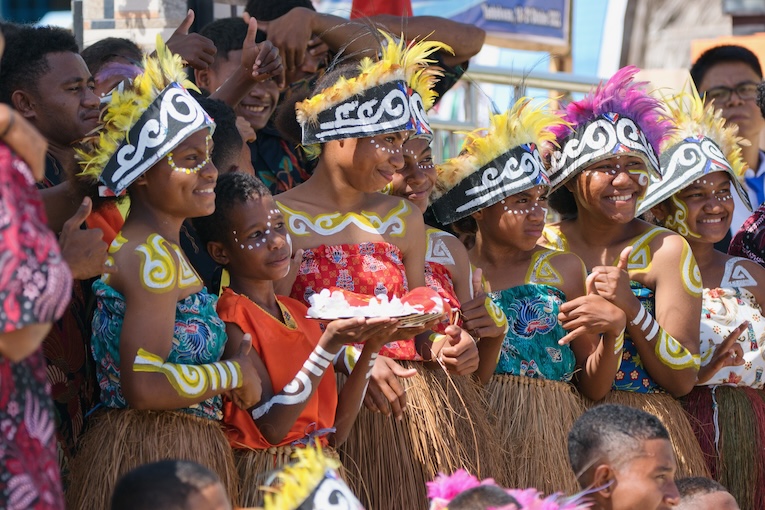
The commercialization of local culture in fast-developing tourism destinations like Raja Ampat presents a nuanced challenge. On one hand, tourism offers an unparalleled opportunity to showcase, preserve and even revitalize local traditions, crafts, and ceremonies that might otherwise decline in the face of modernization. It can enliven local economy, and offer an opportunity to engage with a global audience eager to engage with the authentic essence of the region.
Yet, this interaction with the global tourism market carries the risk of oversimplifying, altering, or even commodifying these cultural traditions and expressions. The pressure to cater to what tourists expect to see or experience can lead to the staging of cultural practices that are no longer rooted in their original context or significance. This phenomenon, often referred to as the “Disney-fication” of culture, risks transforming vibrant, living traditions into static displays performed for entertainment rather than cultural preservation.
Such a transformation not only affects the authenticity of the cultural presentation but also impacts the community’s relationship with their own heritage. When traditions are modified or cherry-picked for tourist consumption, the deeper meanings and practices that sustain a culture’s continuity and evolution may be sidelined or lost. This commercialisation process can lead to a form of cultural estrangement, where local populations view their traditions through the lens of tourist expectations rather than as integral components of their identity and daily life.
LOSS OF TRADITIONAL KNOWLEDGE
As Raja Ampat embraces modernisation and technology, significant shifts in lifestyle often come at the expense of rich traditional knowledge and practices. While modern tools and technologies improve efficiency and accessibility, they inadvertently erode cultural heritage and skills deeply rooted in local identity.
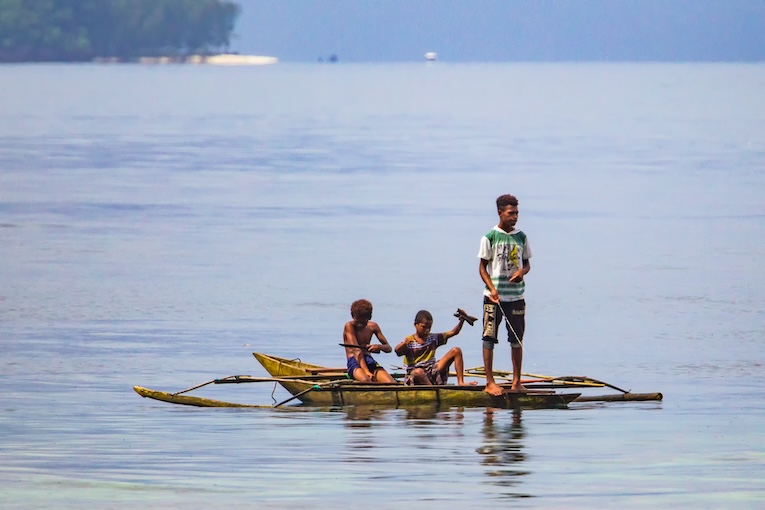
One example is the decline of traditional boat-building and marine navigation. Modern engine-powered boats have revolutionized transport and fishing, offering speed and efficiency but diminishing the craft of canoe-making from local woods—once a hallmark of the culture. Similarly, the reliance on GPS and sonar has overshadowed traditional navigation skills, such as reading stars, tides, and fish behavior. These changes not only erode practical skills but also weaken the communities’ deep connection to the natural world, central to their identity and pride. Additionally, dependence on fuel intensifies resource exploitation and environmental harm, including pollution of Raja Ampat’s pristine marine ecosystems.
Language is another area of cultural loss. Raja Ampat’s 15 local languages are rapidly declining among younger generations, replaced by Bahasa Indonesia and English. While these languages facilitate broader communication, they risk diluting the region’s linguistic diversity and unique cultural identity.
These shifts highlight the dual impacts of modernization—progress and cultural erosion—and underscore the need for sustainable approaches. Efforts to document and teach traditional skills, promote local languages, and/or integrate cultural heritage into modern education, tourism and the workplace can help preserve Raja Ampat’s rich traditions while navigating its path toward modernization.
Visit ‘Capacity Building and Empowerment > Incorporating Traditional Knowledge’ to find out more about our efforts in this area.
AUTHENTICITY VS ACCESSIBILITY: THE TOURISM PARADOX
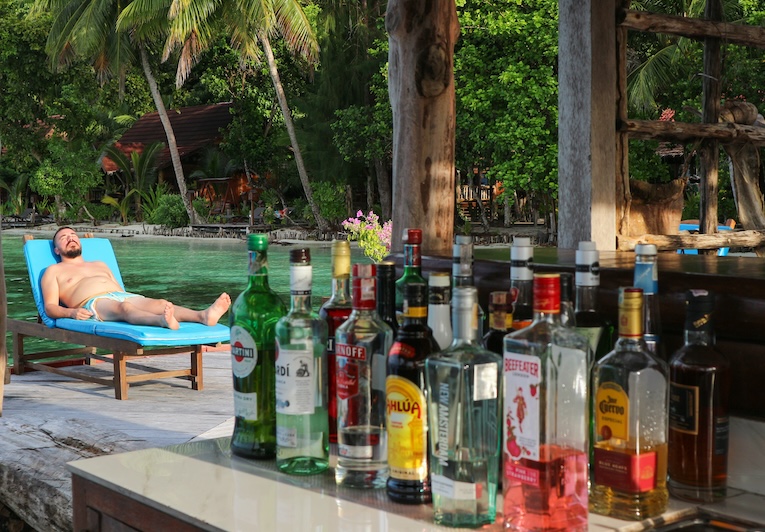
The phenomenon of standardization in tourism, often referred to as the Tourism Paradox, reflects a delicate balance between the allure of the exotic and the comfort of the familiar. Tourists flock to remote destinations like Raja Ampat, driven by a desire to ‘get away from it all’ and immerse themselves in the untouched nature and the beauty it offers, local cultures, and unique ways of life that these places offer. However, the very essence of what makes these destinations attractive is at risk of being undermined by the demand for comfort, accessibility and familiarity that accompanies tourism growth. On mass, the very same tourists that seek ‘remote and untouched’ also arrive with expectations around accommodations and associated service standards, food, bars, eateries, and activities, often shaped by their comfort zones and experiences in other more developed areas. When this occurs, there is a creeping shift towards homogenisation that can strip a local or remote destination of its distinctive character.
This trend towards standardisation not only impacts the authenticity of the tourist experience but also has broader implications for local communities and their cultural heritage. Traditional practices, culinary arts, and even local dialects may be sidelined or altered to fit a more globally palatable profile, leading to a loss of cultural depth and diversity. The economic pressures to conform to tourist expectations can also create a monoculture where innovation and authenticity are sacrificed for the sake of appealing to the widest possible audience. This not only dilutes the cultural fabric of the destination but also undermines the economic potential for a truly diverse and sustainable tourism industry that benefits the entire community.
The challenge, then, for destinations like Raja Ampat, is to find a sustainable path that allows for the preservation of cultural and environmental integrity while accommodating the ‘comfort’ tourists seek (food, accomodation, ease of access). It requires a concerted effort from all stakeholders, including local communities, tourism operators, and tourists themselves, to prioritise authenticity over standardisation. By embracing and promoting the genuine experiences that can only be had in these unique settings, there is an opportunity to redefine what successful tourism looks like—one that enriches both the visitor and the visited, ensuring the preservation of the unique qualities that made these destinations worth exploring in the first place.
INEQUALITY IN EMPLOYMENT OPPORTUNITIES
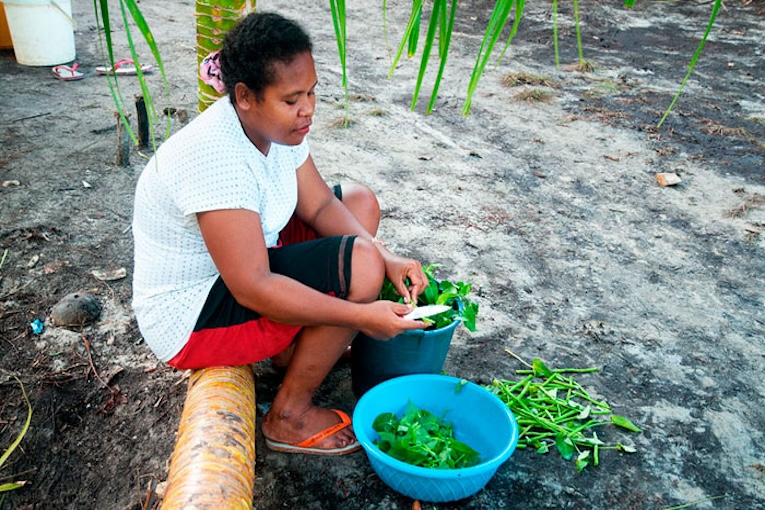
For a multitude of logistical, economic and cultural reasons, local people in Raja Ampat have more limited access to higher levels of education, professional training and work experience. This leads to an inequality in employment opportunities and presents a complex challenge, which is often exacerbated by the rapid development of tourism, which, while beneficial in many ways, can inadvertently widen the gap between local communities and those from elsewhere.
The influx of tourism demands a workforce skilled in hospitality, language proficiency, and technical knowledge areas where local populations may lack formal education and training opportunities. Consequently, this demand often attracts workers from outside the region, including foreigners and nationals from more urbanised areas, who possess the requisite skills and experience. As a result, local residents frequently find themselves confined to lower-skilled, less prestigious roles within the tourism sector, reinforcing economic and social tiers and heirarchy.
This dynamic not only impacts the economic prospects of local communities but also has broader implications for social cohesion and cultural integrity. When higher-paying, more prestigious positions are consistently filled by non-locals, there is a risk of creating an environment where the local population feels marginalized and undervalued. This can lead to a sense of alienation from the tourism industry that operates on their doorstep, potentially breeding resentment and hindering the development of a truly inclusive tourism model that benefits all stakeholders.
Addressing this inequality requires a multifaceted approach, focusing on improving access to education and vocational training for local communities. Investment in local capacity building, including language training, hospitality management, and technical skills development, is essential to equip locals with the tools needed to compete for higher-skilled positions within the tourism sector.
By prioritising local employment and ensuring that the benefits of tourism are more evenly distributed, destinations like Raja Ampat can develop a more sustainable and equitable tourism model that supports the entire community.
Please visit: Capacity Building and Empowerment to learn how we aim to address this inequality through our conservation efforts.
PHYSICAL CHANGES CAUSING SOCIO-CULTURAL STRESS
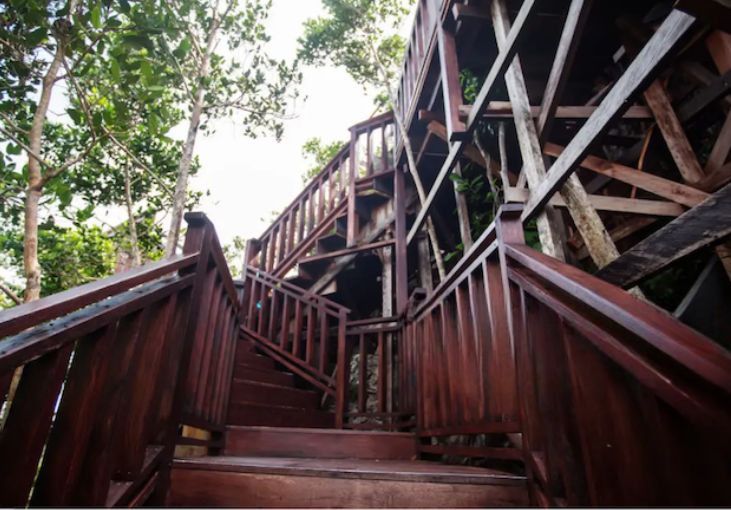
Increasing tourism development, while beneficial for economic growth, can brings with it physical changes that can lead to various forms of social stress among local communities. The alteration of landscapes to accommodate tourist facilities, the increased foot traffic in sensitive cultural and natural areas, and the intensified competition for resources (fresh water, space) all contribute to this tension. Vandalism, littering, and the unauthorised removal of natural or cultural artifacts are other manifestations of this pressure, reflecting a lack of respect for local norms and environmental integrity. In a place like Raja Ampat, renowned for its pristine natural beauty and rich cultural heritage, the pressures of accommodating increasing numbers of visitors can lead to the degradation of the very attributes that make these destinations unique.
Moreover, the development required to support tourism—such as resorts, homestays, restaurants, and infrastructure—often encroaches on landscapes that hold cultural significance or are vital to the livelihoods of local communities or ecosystem integrity. This can lead to displacement or restricted access to traditional lands and resources, exacerbating conflicts between developers and indigenous populations. The construction of tourist facilities along coastlines, for instance, can limit access to beaches that local fishermen rely on, undermining traditional practices and threatening food security. Similarly, the increased demand for fresh water and other local resources needed to sustain tourist facilities can strain the availability of these resources for local residents, sparking contention over resource allocation.
Addressing these challenges requires a holistic approach to tourism development that prioritises environmental conservation and cultural preservation alongside economic objectives. Developers and policymakers must engage with local communities from the outset, incorporating their knowledge and respecting their rights to ensure that tourism benefits are equitably shared and do not come at the cost of cultural and environmental degradation. Sustainable tourism practices that limit environmental footprints, respect local cultures, and contribute to the conservation of natural and cultural resources are essential. By fostering a tourism model that values the integrity of destinations and the well-being of local populations, destinations like Raja Ampat can ensure that the impact of tourism remains positive, preserving the unique charm and richness of these areas for future generations.
for better or worse
Raja Ampat is Changing
Raja Ampat is changing rapidly. Currently characterised by a rapidly expanding and modernising population who are influenced by the presence of tourism and development, these changing demographics drive cultural adaptation and change, along with increased natural resource extraction and exploitation, which subsequently threatens the ecosystems that underpin the culture and livelihoods of Raja Ampat’s local people.
Ongoing resource and cultural commercialisation, loss of traditional knowledge, governance structures that are still developing and evolving, and on top of this the effects of human-forced climate change present unprecedented challenges to local communities and the environment that supports them.
The SEA People seeks to work with all stakeholders to ensure that local communities are involved in the planning and execution of development in their own region, by empowering and supporting culturally appropriate, sustainable resource management.
Learn more about our Community Engagement and Empowerment efforts, and our approach to Capacity Building.
Cultural dilution: when cultures are blended and the process of our lives becomes similar, at the expense of one or more of the cultures involved.
100% of your donation goes to
the field.
If left unchecked, 90% of coral reefs will be threatened by 2030, with almost all reefs facing, high, very high, or critical threat levels by 2050.
If we don’t act now, future generations will not have the privilege of seeing a live coral reef, let alone receive the benefits that coral reefs provide, including food, coastal protection, livelihoods and medicine.
In Raja Ampat, Indonesia, the most biodiverse coral reefs on Earth are under threat; rapid and unsustainable development combined with climate change threaten the future of these reefs, along with the food security, heritage and livelihoods of many.
Your contribution today has a direct impact in enabling our team to work with local people to Restore, Protect and Conserve reefs in the world’s last remaining coral stronghold.
We cannot do it alone, but with your contribution we can do it together.
100% of your donation goes to
the field.
If left unchecked, 90% of coral reefs will be threatened by 2030, with almost all reefs facing, high, very high, or critical threat levels by 2050.
If we don’t act now, future generations will not have the privilege of seeing a live coral reef, let alone receive the benefits that coral reefs provide, including food, coastal protection, livelihoods and medicine.
In Raja Ampat, Indonesia, the most biodiverse coral reefs on Earth are under threat; rapid and unsustainable development combined with climate change threaten the future of these reefs, along with the food security, heritage and livelihoods of many.
Your contribution today has a direct impact in enabling our team to work with local people to Restore, Protect and Conserve reefs in the world’s last remaining coral stronghold.
We cannot do it alone, but with your contribution we can do it together.
Copyright © The SEA People 2016-2026. All rights reserved. This website is copyright monitored and protected.
Yayasan Orang Laut Papua is a registered NGO under the Ministry of Law and Human Rights Republic of Indonesia. Number AHU-0016408. Year 2019. The SEA People is a registered Charitable Association under the Gouvernement de la République in France (Numero Identification Siren 853074300) and serves as an administrative and fundrasing base for supporting the fieldwork of Yaysan Orang Laut Papua. Privacy Policy Terms & Conditions