Tourism plays a significant role in coral reef ecosystems, offering both positive and negative impacts. On one hand, tourism supports local economies, fosters conservation awareness, and funds reef protection initiatives. On the other hand, unchecked tourism can harm reefs through physical damage, pollution, and excessive human activity. Activities like snorkelling, diving, and boating can disturb delicate coral structures, while increased coastal development contributes to habitat loss and waste pollution.
Harmful Impacts of Tourism
Physical Damage
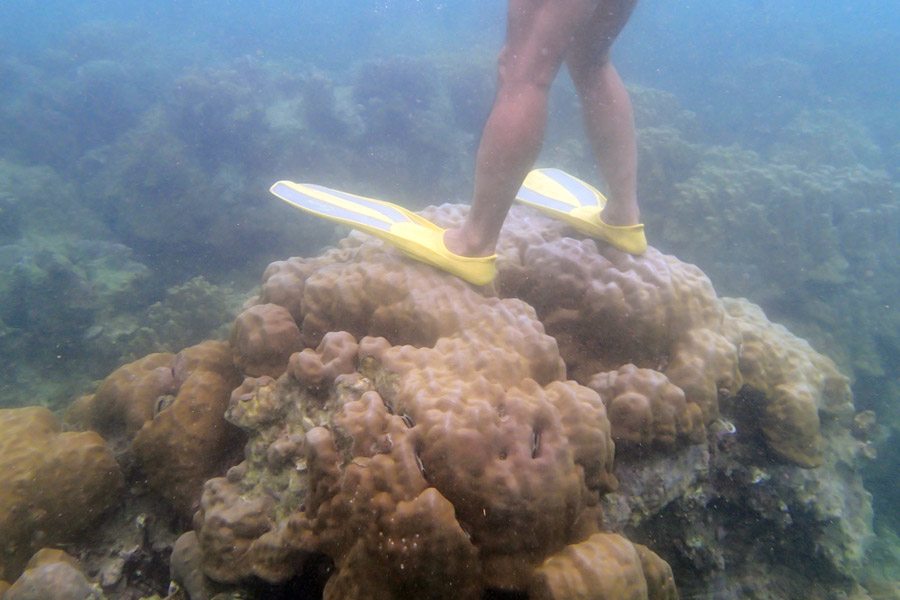
Tourists who touch or step on corals can cause severe damage, breaking fragile coral branches and disrupting marine life. Anchor drops from boats are another source of physical destruction, as they can crush coral formations. Additionally, snorkelers and divers who inadvertently come too close to the reef can disrupt marine ecosystems and harm species that rely on the coral for shelter.
Pollution:
Tourism-related activities contribute to marine pollution through waste generation, plastic debris, and sewage discharge. Tourists often use non-reef-safe sunscreens, which contain harmful chemicals that can damage coral polyps. Overcrowding of coastal areas also leads to greater waste management challenges, putting further pressure on the surrounding coral reefs.
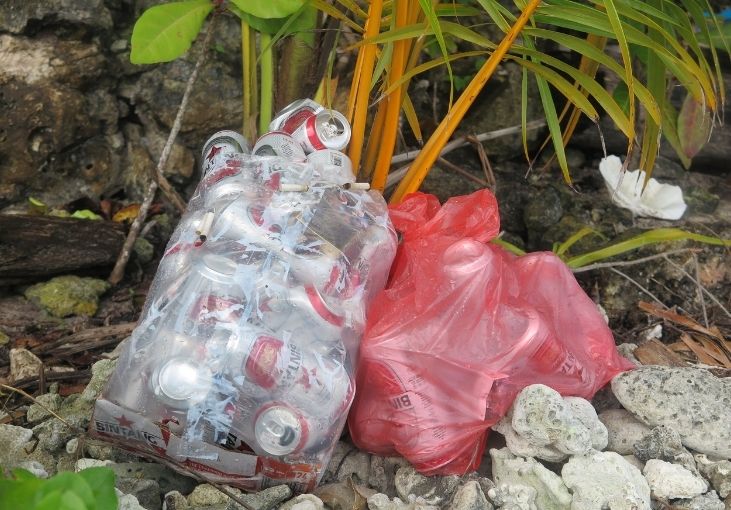
Beer cans and cigarette butts collected from beach at Pulau Roti, Raja Ampat; a legacy of tourists enjoying the sunset on an uninhabited island
Coastal Development:
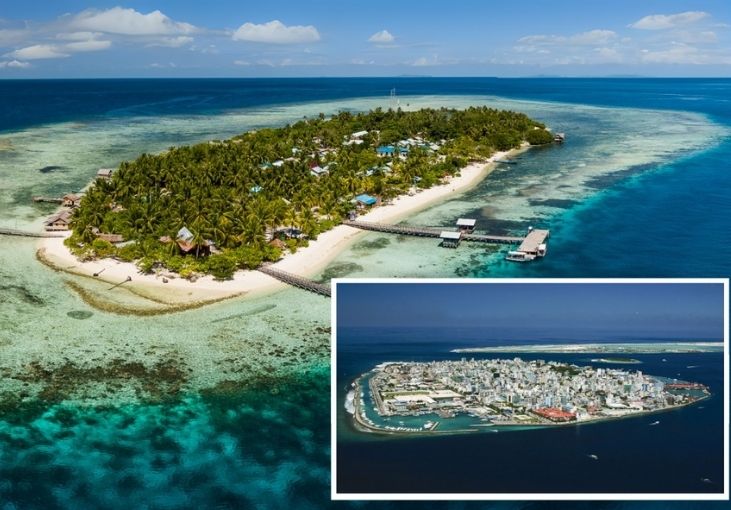
The expansion of hotels, resorts, and infrastructure near coral reefs leads to habitat destruction and increases the amount of sediment and pollution entering the water. Sedimentation can block sunlight from reaching corals, stifling their growth and degrading water quality.
Promoting Sustainable Tourism:
Tourism doesn’t have to come at the expense of coral reef health. By encouraging sustainable practices, both tourists and tour operators can help minimise their environmental impact and ensure that coral reefs continue to thrive.
– Education and Awareness: Tourists should be educated on responsible tourism practices, such as not touching corals, keeping a safe distance from marine life, and using reef-safe sunscreens. Awareness campaigns can inform visitors of the delicate balance within reef ecosystems and the importance of preserving them.
– Eco-friendly Accommodations: Tour operators and accommodations that prioritise sustainability can play a pivotal role in protecting coral reefs. This includes minimising waste production, managing water and energy efficiently, and actively participating in reef conservation efforts. Supporting businesses that adopt environmentally friendly practices encourages the entire industry to shift toward sustainable tourism.
– Limiting Tourist Numbers: In highly sensitive reef areas, limiting the number of visitors helps to reduce the strain on coral ecosystems. Marine Protected Areas (MPAs) with restrictions on certain acitivies ensure that reefs have the chance to recover from human impacts and remain resilient against future threats.
By embracing these sustainable tourism practices, we can safeguard coral reefs for future generations to enjoy. To learn more about how tourism impacts coral ecosystems and how you can make a difference, visit our page on Navigating the Impact of Tourism.
Minimising Your Carbon Footprint
Tourists visiting remote coral reefs often have a high carbon footprint, mainly due to long-distance air travel. Since aviation contributes significantly to global CO2 emissions, it’s crucial to minimise your environmental impact by:
– Offsetting carbon emissions: Consider purchasing carbon offsets to counterbalance the emissions from your flights. Use our Carbon Calculator.
– Sustainable travel practices: Use eco-friendly transport options and choose local experiences that promote conservation and sustainability.
– Support reef-friendly operators: Partner with tour companies that actively engage in conservation and operate sustainably.
Taking steps to reduce your carbon footprint ensures that your visit helps preserve coral reefs rather than harm them.
By promoting responsible tourism and implementing protective measures, the tourism industry can contribute to the preservation of coral reefs while still offering people the opportunity to experience the wonder of these vibrant ecosystems. Sustainable tourism ensures that future generations can continue to enjoy and benefit from the beauty and biodiversity of coral reefs.
100% of your donation goes to
the field.
If left unchecked, 90% of coral reefs will be threatened by 2030, with almost all reefs facing, high, very high, or critical threat levels by 2050.
If we don’t act now, future generations will not have the privilege of seeing a live coral reef, let alone receive the benefits that coral reefs provide, including food, coastal protection, livelihoods and medicine.
In Raja Ampat, Indonesia, the most biodiverse coral reefs on Earth are under threat; rapid and unsustainable development combined with climate change threaten the future of these reefs, along with the food security, heritage and livelihoods of many.
Your contribution today has a direct impact in enabling our team to work with local people to Restore, Protect and Conserve reefs in the world’s last remaining coral stronghold.
We cannot do it alone, but with your contribution we can do it together.
100% of your donation goes to
the field.
If left unchecked, 90% of coral reefs will be threatened by 2030, with almost all reefs facing, high, very high, or critical threat levels by 2050.
If we don’t act now, future generations will not have the privilege of seeing a live coral reef, let alone receive the benefits that coral reefs provide, including food, coastal protection, livelihoods and medicine.
In Raja Ampat, Indonesia, the most biodiverse coral reefs on Earth are under threat; rapid and unsustainable development combined with climate change threaten the future of these reefs, along with the food security, heritage and livelihoods of many.
Your contribution today has a direct impact in enabling our team to work with local people to Restore, Protect and Conserve reefs in the world’s last remaining coral stronghold.
We cannot do it alone, but with your contribution we can do it together.
Copyright © The SEA People 2016-2026. All rights reserved. This website is copyright monitored and protected.
Yayasan Orang Laut Papua is a registered NGO under the Ministry of Law and Human Rights Republic of Indonesia. Number AHU-0016408. Year 2019. The SEA People is a registered Charitable Association under the Gouvernement de la République in France (Numero Identification Siren 853074300) and serves as an administrative and fundrasing base for supporting the fieldwork of Yaysan Orang Laut Papua. Privacy Policy Terms & Conditions